

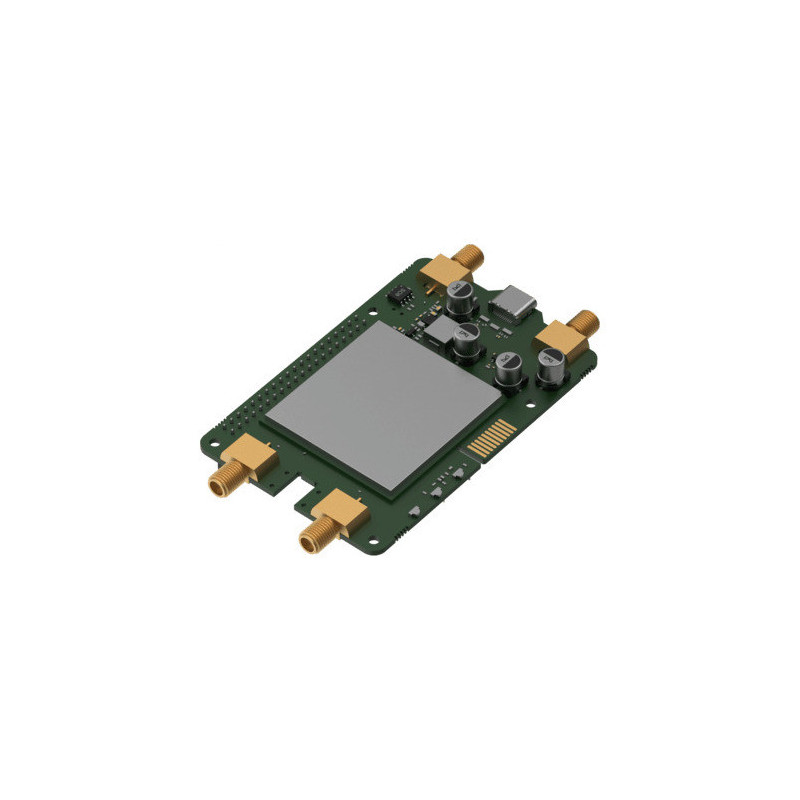

TELTONIKA NETWORKS CALYX Built-in 5G Pi HAT with cellular module
TELTONIKA NETWORKS CALYX Built-in 5G Pi HAT with cellular module
Guarantee
24 month
Delivery from Europe in
10 - 15
business days
Teltonika Calyx 5G (EBD050) is an embedded cellular module in HAT+ format for Raspberry Pi 4 and 5, designed for projects requiring stable access to a mobile network. Direct mounting on the SBC reduces occupied space and simplifies integration in embedded systems [web:6][web:10].
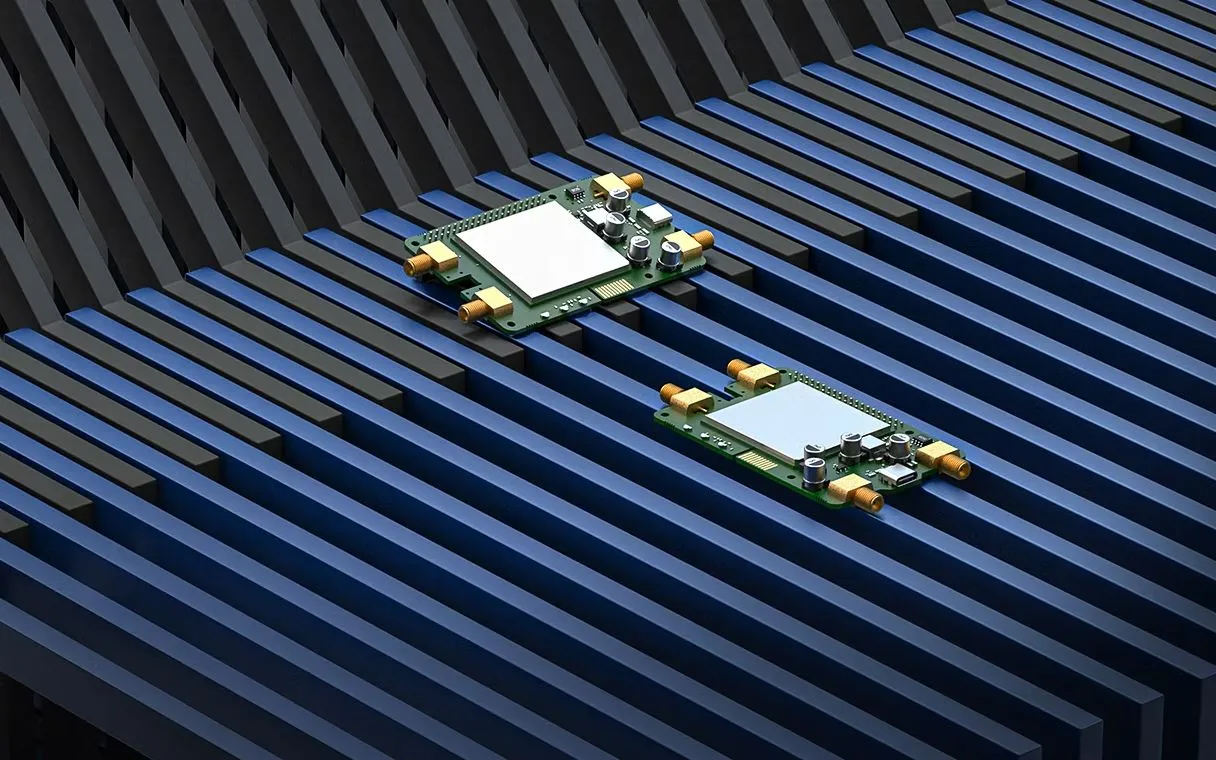

The EBD050 version supports 5G NR SA/NSA and fallback to 4G LTE Cat 19, so it maintains a connection even where 5G coverage can be variable. In practice, this means more stable operation for monitoring, telemetry, IoT gateways and edge systems that cannot rely solely on Wi-Fi or Ethernet [web:7][web:10].

The enclosure, measuring 56 x 23.11 x 100.8 mm and weighing 57 g, makes it easy to create a compact build without unnecessary adapters and loose cables. Direct mounting on Raspberry Pi reduces the risk of accidental disconnection and tidies up the layout in end devices [web:2][web:4].

The module uses 40-pin GPIO to control the modem, making automatic wake-up, restart and power management easier. PCM audio support provides low-latency digital audio transmission, useful in voice solutions, communication gateways and specialized integrations [web:5][web:10].

Teltonika Calyx 5G is ideal where quick deployment and remote device operation matter: in automation, monitoring, kiosks, telemetry systems and prototype projects. The included mounting kit, GPIO extension and USB-C to USB-A accessory make deployment easier without having to source additional components [web:4][web:10].

The 5G / EBD050 variant supports a wide range of 5G NR, LTE and 3G bands, increasing the chances of operation across different networks and locations. This is important in multi-stage deployments, where the device must maintain connectivity despite changing operator infrastructure [web:1][web:7].

Calyx 5G combines a mobile modem, hardware control and a compact form in one module, making it easier to build Raspberry Pi-based devices. It is a practical base for integrators and developers who need industrial-grade cellular connectivity without complicating the project with additional interfaces [web:10][web:12].

